



What Happened
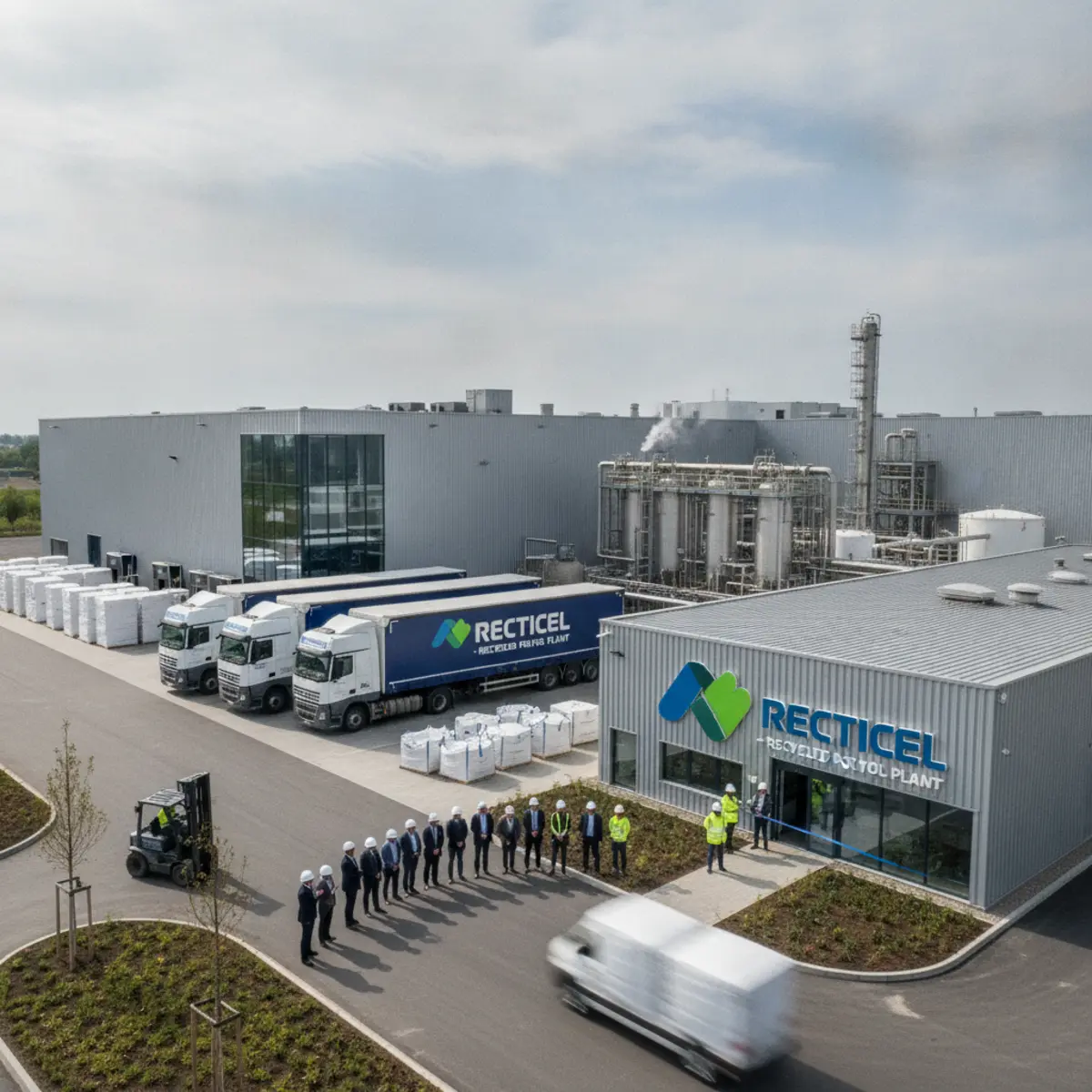
Recticel Insulation has opened an industrial scale recycled polyol plant in Wevelgem, Belgium. The company announced the opening on 5 August 2026, describing the facility as a milestone in its long term sustainability strategy and a step towards circularity in the insulation sector. According to Recticel, the plant recycles post-industrial PIR (polyisocyanurate) production waste into high quality recycled polyol. The company says the facility was developed as part of its broader circularity ambition. Cold Chain News carried the announcement. No production volumes, investment figures or customer commitments were given in the published summary.
Published: Wed, 05 Aug 2026 09:57:00 +0000 Source: Cold Chain News
What Belgian PIR Recycling Means for UK Importers
UK buyers of PIR insulation board already source heavily from Belgian and Dutch plants, and Wevelgem sits inside the road freight corridor that feeds the Channel crossings. A recycled polyol feed changes the input, not the trailer. Insulation moves as high volume, low density cargo, so loads cube out long before they approach a weight limit. Trailer fill and pallet configuration remain the cost drivers on this lane, which makes accurate volumetric figures on the commercial invoice and CMR more useful than gross weight alone when you are pricing a load.
The plant fits a wider shift in European manufacturing, where recycling capacity is installed next to the production line rather than at the end of a long export chain. When post-industrial waste is processed at source, it does not need to travel as a controlled waste movement under separate notification requirements, and what crosses the border is finished product instead. For UK importers, that should simplify classification, because a single commodity code covers the finished board rather than separate codes covering waste, feedstock and panel across several consignments.
Importers should put two questions to suppliers before the next order. First, whether recycled content changes the commodity code or any product certification referenced on the declaration, since classification follows the finished article rather than the sustainability claim attached to it. Second, whether the goods still satisfy the rules of origin conditions for preferential duty under the UK and EU trade agreement, because a change of feedstock can change the origin calculation. Anyone moving mixed construction loads through road and sea freight services should also reconfirm stacking and handling limits with the manufacturer.
Key Takeaway for UK Construction Importers
Recticel has confirmed the plant is open and processing post-industrial PIR waste into recycled polyol. Nothing in the announcement changes transit times on the Belgium to UK lane. What may change is your classification and origin position, so verify both with the supplier before the first recycled content consignment ships.
Market Impact on Insulation and Construction Freight
Insulation demand is tied to construction activity, and construction cargo tends to move in campaign volumes rather than steady weekly flows. A new source of recycled polyol inside Belgium adds resilience to a supply chain that has depended on virgin chemical feedstock priced against energy markets. If that reduces exposure to feedstock price swings, importers may find quoted lead times steadier through the year, although Recticel has not published output figures and any pricing effect remains unconfirmed.
Operationally, the practical planning point is space rather than tonnage. A standard curtainsider or a 40ft container fills on cube with panel product, so consolidating board with denser building materials on the same load is often the only way to use the paid space. Importers running frequent part loads should review whether groupage or a dedicated full load gives better cost per pallet across a quarter, particularly where delivery windows on site are tight.