




What Happened
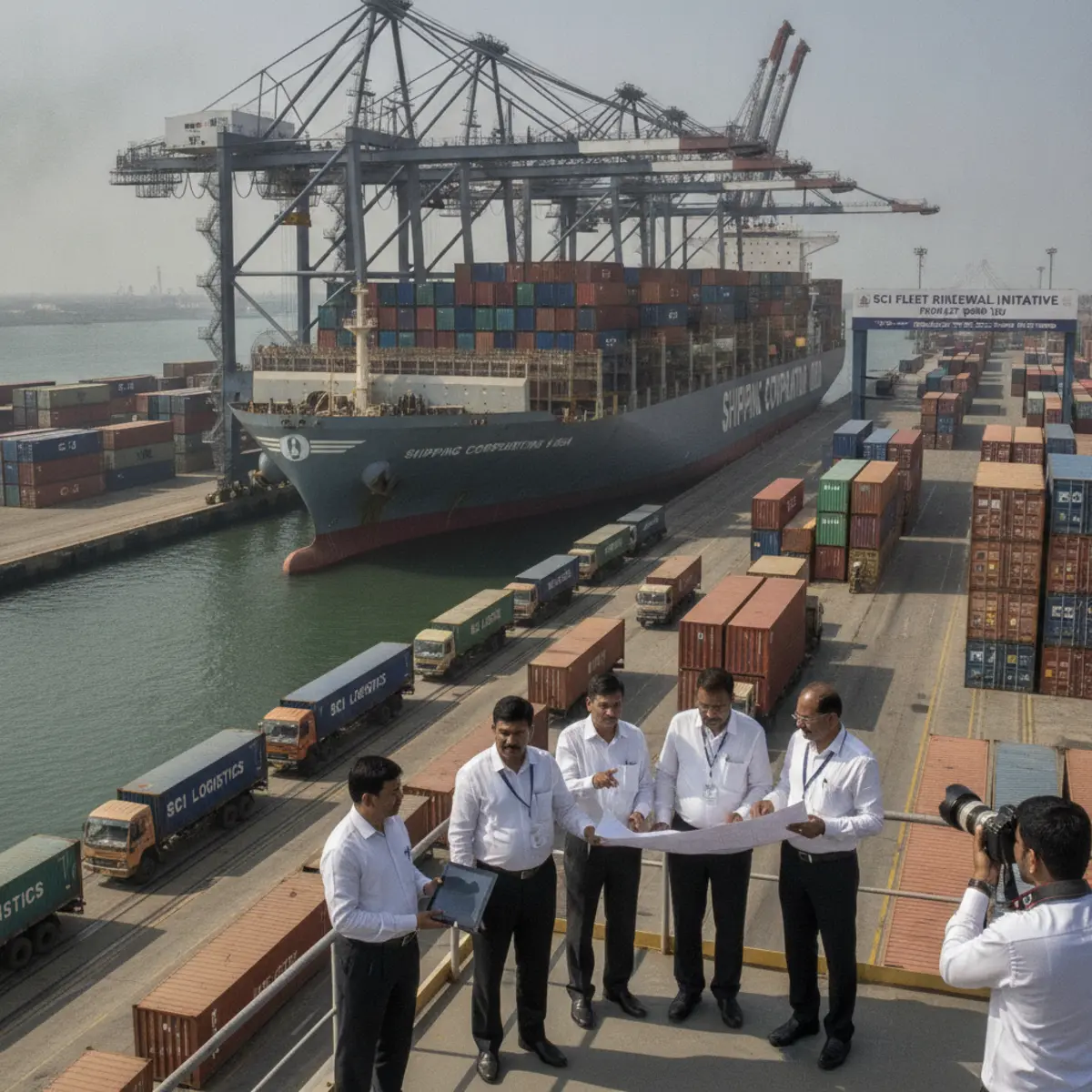
The Shipping Corporation of India has issued a tender for up to 6 container ships of 8,000 TEU capacity, The Maritime Standard reported on 17 August 2026. The tender forms part of the state owned carrier’s ongoing fleet renewal programme. The report expects 2 of the vessels to be confirmed at the point of order. No shipyard, contract value, delivery schedule or intended trade lane is named in the report, and a tender is a request for offers rather than a confirmed newbuilding contract.
Published: Mon, 17 Aug 2026 Source: The Maritime Standard
Why an Indian Fleet Renewal Matters to UK Importers
Nothing here changes a booking made this week. A tender is the step before an order, and a cargo ship contracted now would take years to reach service, so space and rates on India to Europe sailings are unaffected in the near term. The relevance for UK importers is ownership rather than volume: SCI is state owned, and additional Indian tonnage on the trade changes who carries the cargo more than it changes how much space exists. India to UK ocean cargo typically routes through west coast gateways such as Nhava Sheva and Mundra, and transhipment is common on the lane.
Fleet renewal at national carriers usually means replacing ageing hulls with larger and more fuel efficient ones. Vessels of 8,000 TEU are mid-sized by current standards, below the tonnage deployed on the main Asia to North Europe strings and better matched to India, Middle East and intra-Asia work and to feeding transhipment hubs. Hull size shapes the service pattern, because a mid-sized cargo ship can call at ports the largest vessels cannot, which in turn affects how many transhipments sit between an Indian factory and a UK delivery address.
For the next 12 months, the operational variables on this lane remain sailing frequency, transhipment port and equipment availability, not the orderbook. If you move FCL from India, the questions worth asking your carrier are which hub your box transships at and how many days sit between connections, since that gap drives most of the transit time variance. Sea, air and road options on the lane are set out under our freight services, and the choice usually turns on transit time and unit value rather than on carrier ownership.
Key takeaway
Treat this as an orderbook story, not a capacity story. A tender for up to 6 cargo ships tells you SCI intends to renew tonnage, not that space is arriving on India to Europe services. Watch for the confirmed order, the shipyard and the delivery dates, because only those give a date when anything changes.
Market Impact for UK Importers and Exporters
Newbuilding activity at state owned carriers matters to UK shippers mainly through competition. More Indian flagged tonnage on the trade adds another party quoting on India to Europe cargo, which affects rate negotiation on annual contracts far more than it affects any single shipment. The effect is slow, arriving with delivery rather than with the tender, and it is spread across the lane rather than concentrated on any one UK port of discharge.
There is a documentation angle worth noting for exporters. Vessel and carrier changes on a lane can alter the bill of lading issuer, the transhipment port shown on documents and the notify party arrangements, all of which need to match what is declared to HMRC on CDS. Where goods move under Incoterms 2020 terms that put the sea leg in the seller’s hands, UK buyers should confirm which carrier is actually contracted before assuming the routing on the quote is the routing on the water.
Source: https://www.themaritimestandard.com/sci-out-to-tender-for-container-ships/