





What Happened
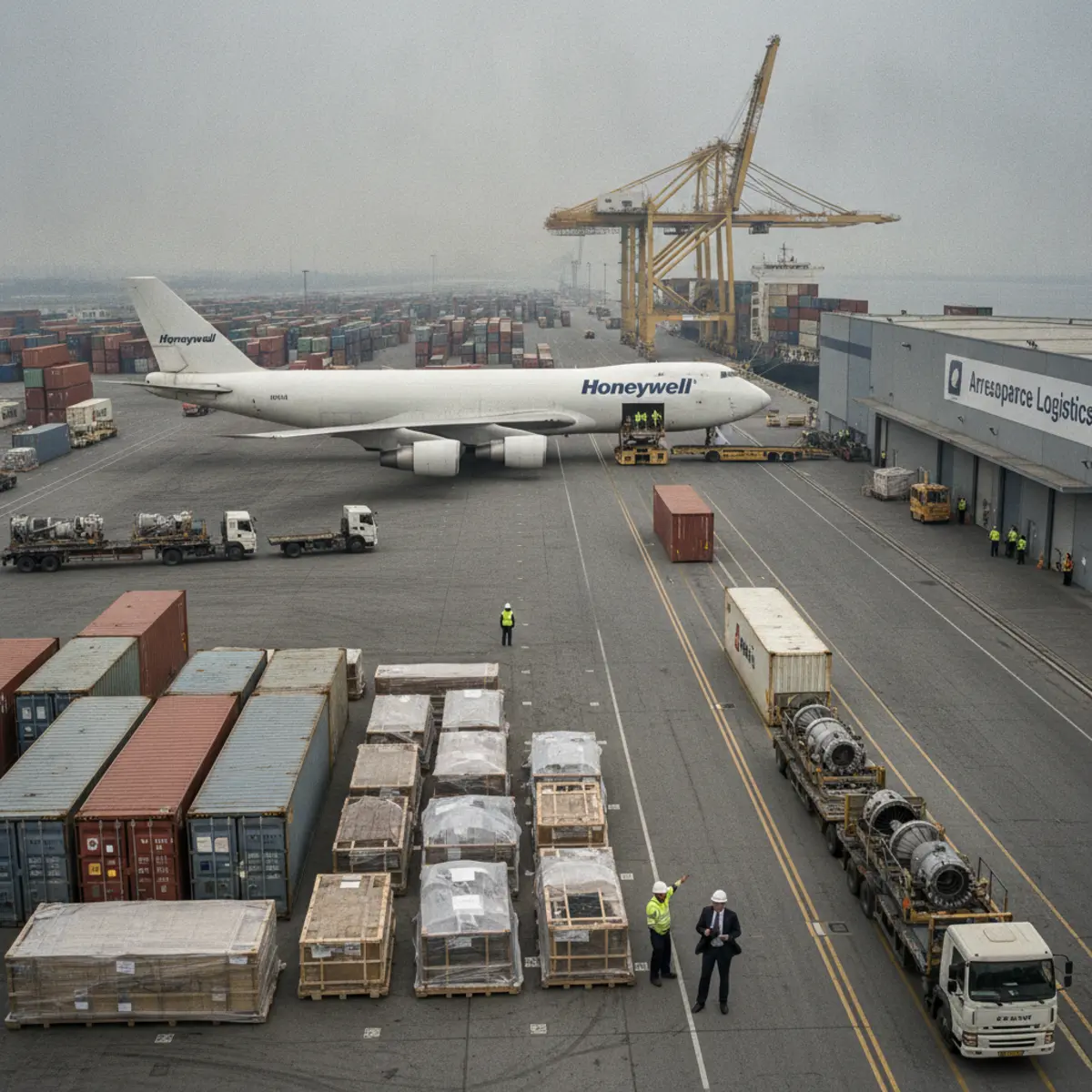
Honeywell Aerospace has lowered its earnings forecast and attributed the reduction to supply chain problems, SupplyChainBrain reported on 6 August 2026. Chief executive James Currier said the company had expected supply chain fixes to boost output more quickly this year than they have. The report does not set out revised figures for the forecast, name the constrained components, or identify the programmes affected. Honeywell Aerospace is a large supplier into commercial and defence aircraft programmes, so any sustained shortfall in its output rate is watched closely by buyers further down the chain.
Published: Thu, 06 Aug 2026 12:07:22 -0400 Source: SupplyChainBrain
What a supplier output shortfall means for UK buyers
For UK importers holding aerospace or industrial contracts, the immediate consequence is lead time rather than unit price. When a major supplier cannot lift output on schedule, orders slip and the shipment profile changes: fewer full container loads moving on planned sea freight, and more part shipments going by air at short notice. That shift is expensive, and it usually lands on the buyer’s supply chain management rather than the supplier’s. Reviewing which order lines are genuinely date-critical, and which can wait for a consolidated sea movement, is the first practical response.
Currier’s comment, as reported by SupplyChainBrain, is notable for what it concedes. The company expected its fixes to raise output faster this year, and they have not. That is confirmed company guidance about Honeywell’s own numbers, not a sector forecast, and it should not be read as evidence that every aerospace programme is slipping. What it does confirm is that at least one large supplier is still carrying constraints far enough into 2026 to move an earnings forecast. Buyers planning shipment volumes on an assumed return to normal output should test that assumption against their own supplier confirmations.
Practical steps sit on the freight side as well as in supply chain management. Where deliveries slip, review the Incoterms 2020 allocation so responsibility for any additional air movements is settled before the invoice arrives, since a DAP shipment converted to air at short notice moves a substantial cost between the parties without renegotiation. Check whether bonded warehousing would let you take early delivery of the lines that are available while deferring duty and import VAT until the assembly actually ships. Then treat any change in confirmed despatch dates as the trigger to re-plan freight, not the week before collection.
Key takeaway for importers
Honeywell Aerospace has confirmed that supply chain constraints are still holding output back and has cut its earnings forecast as a result. For UK buyers, the exposure is schedule risk rather than price, and the response belongs in supply chain management and freight planning together rather than in procurement alone.
Market Impact
The near-term effect on freight demand is a shift in mode rather than a fall in volume. Delayed component availability compresses delivery windows, which converts planned sea freight into air freight and full loads into part loads. That raises the cost per kilo carried and multiplies the number of separate customs entries, since each unplanned shipment needs its own declaration on CDS with the correct commodity code and declared value. Buyers who anticipate that can hold contracted rates instead of accepting spot pricing under time pressure.
The longer-term signal matters more for planning than for this quarter. If output recovery at a supplier of Honeywell Aerospace’s scale is running behind its own management expectations, forward capacity bookings built on normal delivery assumptions carry more risk than usual. UK importers with aerospace exposure should build slack into inbound schedules, keep an air option priced and available for the lines most likely to slip, and check that supplier delay clauses match the freight cost they would actually incur. None of that removes the delay. It stops the delay turning into an unbudgeted charter.