


What Happened
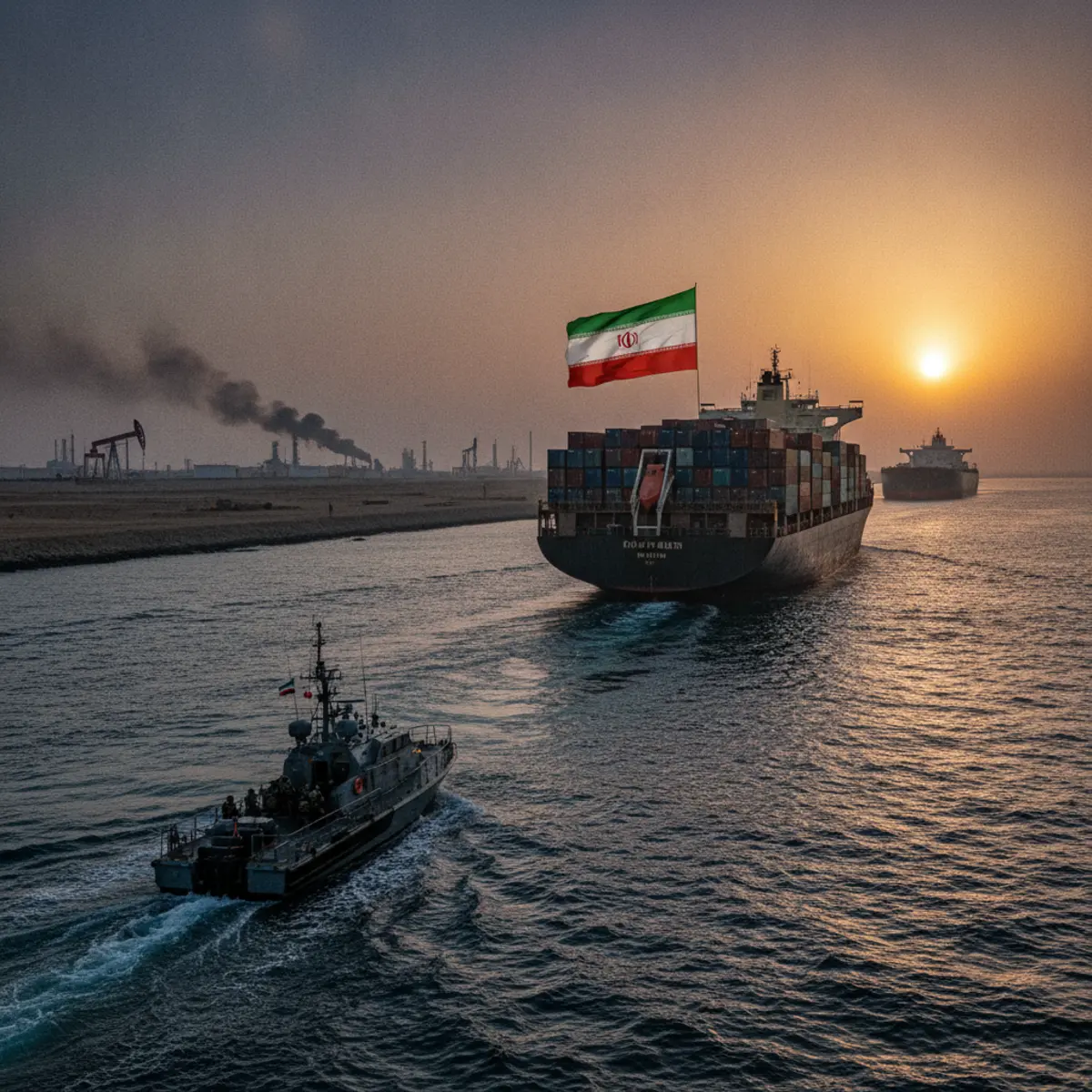
Iran has kept its 7-day proposal for reopening the Strait of Hormuz on the table and said it will not soften the conditions attached to it. Bloomberg reporters Eltaf Najafizada and Courtney Subramanian wrote on 27 September, in a report carried by gCaptain, that President Trump has rejected the Hormuz offer. The two positions therefore remain unresolved, with no reopening date agreed by either side. Nothing in the report indicates a negotiated timetable, and the proposal’s terms have not been accepted.
Why a Closed Chokepoint Reaches Bristol Shipping Desks
The confirmed fact is narrow: Iran has restated its terms and Washington has rejected them. Everything beyond that is speculation, and it should be treated that way in your planning. The operational consequence is a continued absence of certainty over the main outlet for Gulf crude and refined product exports, which keeps war risk premiums, bunker prices and Gulf routing decisions unstable. UK shippers feel that first through fuel-linked surcharges rather than through any direct change to a bill of lading.
Gulf disruption rarely stays inside the tanker market. Container and breakbulk services calling Jebel Ali, Dammam and Bandar Abbas sit in the same risk assessment, and underwriters price the whole area together. That shows up in bunker adjustment factors on sea freight, in emergency risk surcharges, and in air freight fuel surcharges where jet fuel prices follow crude. For UK exporters shipping project cargo or aerospace components into the Gulf, transhipment via Jebel Ali is the usual path, so any change in that hub’s risk status affects onward connections across our freight services.
Do not rebook on a forecast. Ask carriers and insurers for their current position in writing, note which surcharges are quoted as fixed and which float, and confirm whether a routing change triggers a new charge under your contract. Where goods are time-critical, price a road or rail leg from an alternative Gulf entry point now rather than during a closure, and check that your Incoterms 2020 allocation makes clear who carries a war risk surcharge if one is levied mid-voyage. A named alternative on file beats a scramble later.
What to hold in reserve
Assume no resolution date and build from there. Keep quotes valid for shorter periods, confirm surcharge mechanisms before you fix a sale price, and identify a second Gulf gateway for each critical lane. If the strait reopens on any timetable, you lose nothing by having prepared; if it does not, you keep your delivery commitments intact.
Market Impact
Uncertainty over Hormuz prices into freight long before any physical closure occurs. Underwriters widen war risk zones, carriers add or retain risk surcharges, and owners demand more for voyages into the area, all of which reaches UK importers as line items rather than as delay. Fuel is the broadest channel, because bunker and jet fuel costs run through sea, air and road rates alike, and diesel prices feed into UK domestic haulage within weeks of a crude move.
For aerospace and other time-critical flows, the exposure sits in the air freight charter and express market, where fuel is a large share of the cost per kilo and surcharges reset frequently. Shippers moving aircraft on ground parts should expect quotes to carry shorter validity and more fuel conditionality while the position is unresolved. Building the surcharge mechanism into the purchase agreement, rather than discovering it on the invoice, is the practical defence.
Reported by the Plexus Freight team, from gCaptain.
Source: https://gcaptain.com/iran-says-wont-soften-demands-as-trump-rejects-hormuz-offer/