




What Happened
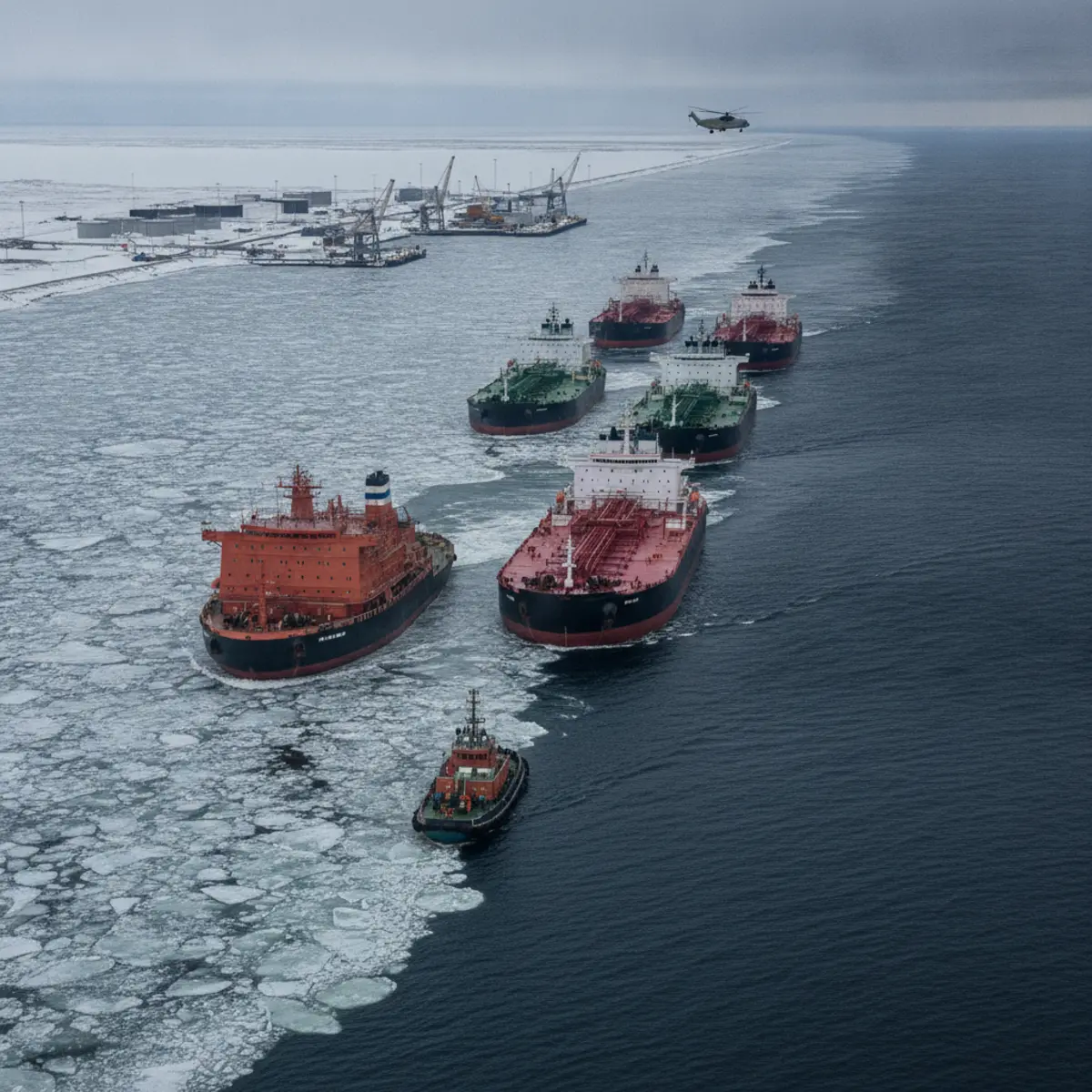
Russia has assembled an unprecedented fleet of oil tankers in the Arctic and is accelerating crude exports to Asia via the Northern Sea Route, gCaptain reported on 3 August 2026. Vessels carrying roughly 8 million barrels of oil are already transiting or waiting to enter the ice-covered lane. gCaptain notes that this is more than half the volume moved during the whole of last year’s summer navigation season, and frames the build-up as an effort to bypass global shipping hotspots. The season’s window remains weather-dependent.
Published: Mon, 03 Aug 2026 10:32:14 +0000 Source: gCaptain
What Arctic Rerouting Means for UK Cargo Owners
The direct effect on UK importers is limited, because this is crude oil on tankers rather than containerised freight. The indirect effect is not. Tanker movements of this scale shift tonne-mile demand and influence bunker fuel pricing, and bunker costs feed into container rates through fuel surcharges within weeks rather than months. UK shippers reviewing 2026 contract rates should treat energy routing as an input to their sea freight budget, not as a separate news category, and ask carriers how surcharge mechanisms are calculated on their lanes.
The broader picture is that operators keep finding ways around chokepoints. Red Sea diversions pushed container services around the Cape of Good Hope and added roughly 10 to 14 days to Asia to Europe transit times, and the Arctic build-up gCaptain describes is the same instinct applied to energy cargo. The Northern Sea Route is not a container substitute. It is seasonal, ice-class tonnage is scarce, and there is no schedule reliability of the kind liner shipping services depend on. What it does show is how much volume is now moving on routes chosen for geopolitics rather than distance.
Two things are worth watching. The first is insurance and financing, since Arctic transits carry war risk and ice-class requirements that can reprice quickly, and any repricing tends to spread across marine markets. The second is compliance. UK businesses buying goods with Russian-origin inputs should be checking sanctions screening and ownership chains as part of standard supplier due diligence, alongside commodity codes and CDS declaration data, rather than treating it as a one-off exercise completed in 2022.
Key Takeaway
Roughly 8 million barrels moving through the Arctic will not delay your container. It does tell you where freight economics are heading. Fuel costs, insurance pricing and route selection are now set by geopolitics as much as by distance, and UK budgets should reflect that.
Market Impact
Longer average voyage distances absorb vessel capacity, and absorbed capacity supports freight rates. When crude moves to Asia via the Arctic instead of shorter routes, and container ships route around the Cape rather than through Suez, the effective supply of tonnage falls without a single ship leaving the fleet. UK importers negotiating annual contracts should expect carriers to price that in and should ask for transit time commitments in writing rather than accepting indicative schedules.
For exporters, the practical risk is variability rather than absolute cost. Shipping services that quote a competitive rate on a lane exposed to rerouting can still deliver 2 weeks later than planned, which damages customer relationships more than the rate saves. Building buffer into production and delivery commitments, and holding safety stock on critical lines, remains the cheaper response. Where a delay becomes unavoidable, moving the urgent portion by air and leaving the balance on water is usually the lower-cost fix.