




What Happened
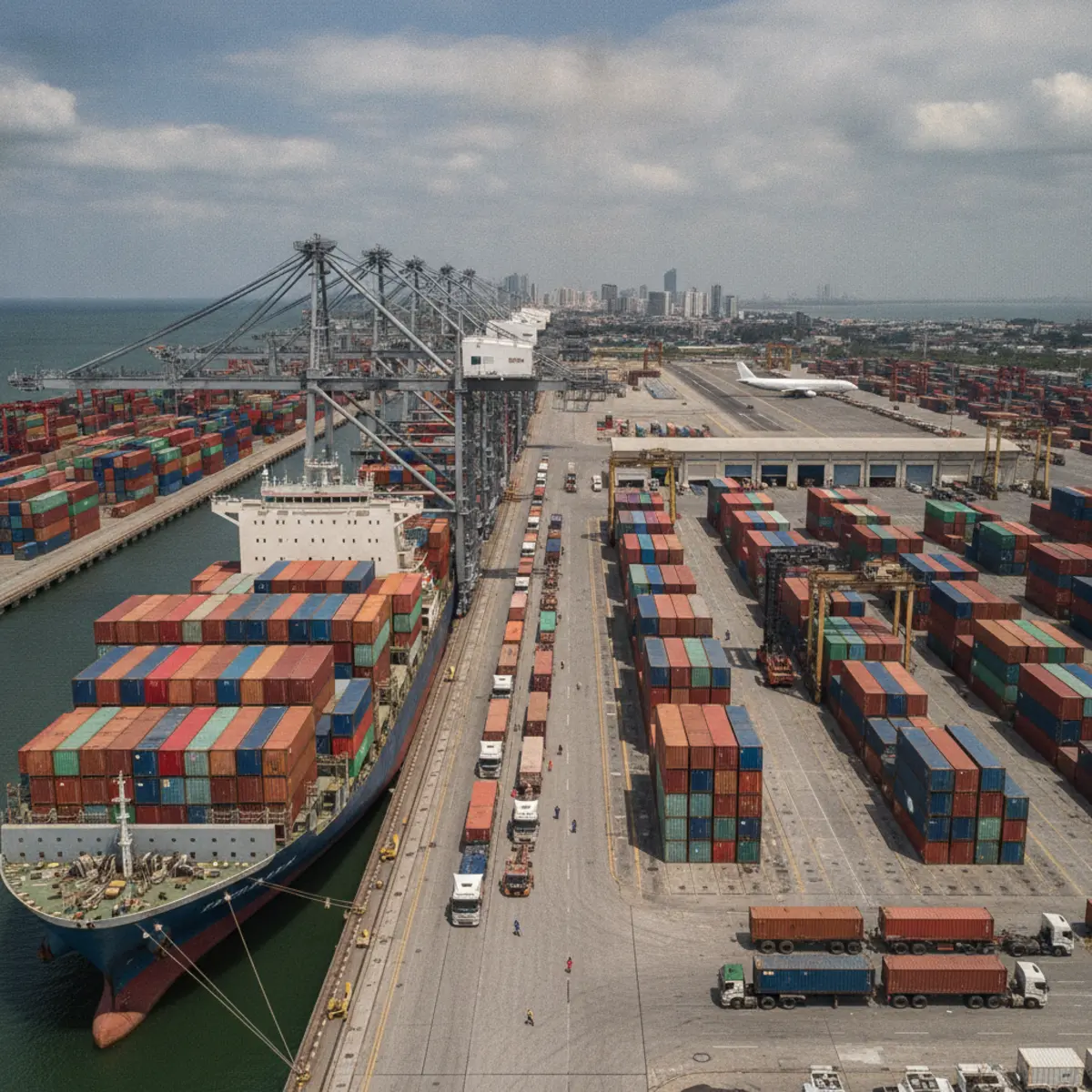
The expected easing in ocean freight rates after peak season has not happened, The Loadstar reported on 18 September 2026. The publication cites resilient US import demand, weather disruption and carrier capacity cuts as the three factors keeping the market under pressure. According to analysis presented during Cargo Trans’ FreightTea webinar and reported by The Loadstar, September US imports are expected to reach some 2.3m teu, approximately 10% above the same month last year. The Loadstar notes that this strength has extended the 2026 peak season, despite expectations only weeks earlier that rates would soften.
Why the Post-Peak Dip Has Not Arrived
For UK importers, the most useful detail in The Loadstar’s report is the source of the pressure. Demand strength is concentrated on US inbound trades, not on Asia to North Europe, yet the effect carries across because carriers move tonnage to the strongest market. When transpacific volumes run 10% above last year, as the Cargo Trans analysis indicates, vessels and equipment are drawn towards those sectors and the remaining North Europe capacity is managed tightly. The practical result on UK bookings is fewer open sailings, shorter booking windows and less tolerance for cargo that is not ready on the planned cut-off.
This sits inside a pattern that has held since 2024. Carriers now manage supply actively through blank sailings and service suspensions rather than waiting for rates to find a floor, and The Loadstar identifies those capacity cuts as one of the three pressures in play. September is normally the point where rates begin to slide ahead of Golden Week in China, so an extended peak breaks the seasonal shape that many UK buying teams plan against. Shippers who budgeted on a fourth-quarter softening are now working to a different curve.
The action for the next few weeks is practical. Confirm space for October and November shipments earlier than usual, check whether quoted rates are fixed or subject to a general rate increase at the start of the month, and establish who carries surcharges under your Incoterms 2020 terms before the invoice arrives. Where a full container is not urgent, moving part of the volume by LCL groupage can keep a production line running while the balance waits for FCL space. Reviewing your our freight services mix across sea, air and road is worth doing while the rate picture is still moving.
Key Takeaway
Rates are firm because carriers are matching capacity to a demand peak that has run longer than expected, not because volumes have collapsed. UK importers should plan fourth-quarter bookings on tight space and firm pricing, and should not budget on a post-peak fall that The Loadstar’s sources do not currently forecast.
Market Impact
The immediate market effect is on rate validity and space allocation rather than on transit times. Carriers holding capacity back tend to protect schedule reliability on the sailings that remain, so port-to-port transit should stay broadly stable even as availability tightens. The risk shifts to rolled cargo, where a container booked but not loaded waits for the next sailing and adds 7 days to the door-to-door plan on a weekly service. Weather disruption, which The Loadstar lists as a contributing factor, increases that risk further.
For UK ports, sustained volumes into the fourth quarter keep pressure on landside capacity at Felixstowe, Southampton and London Gateway during the pre-Christmas period. Importers using Avonmouth and the Bristol Channel for European and deepsea feeder traffic should build in extra time for haulage bookings, since driver and vehicle availability tightens alongside container volumes. None of this is forecast by The Loadstar, which reports current market conditions rather than fourth-quarter port performance.
Reported by the Plexus Freight team, from The Loadstar.
Source: https://theloadstar.com/no-post-peak-relief-for-ocean-freight-as-capacity-tightens/