




What Happened
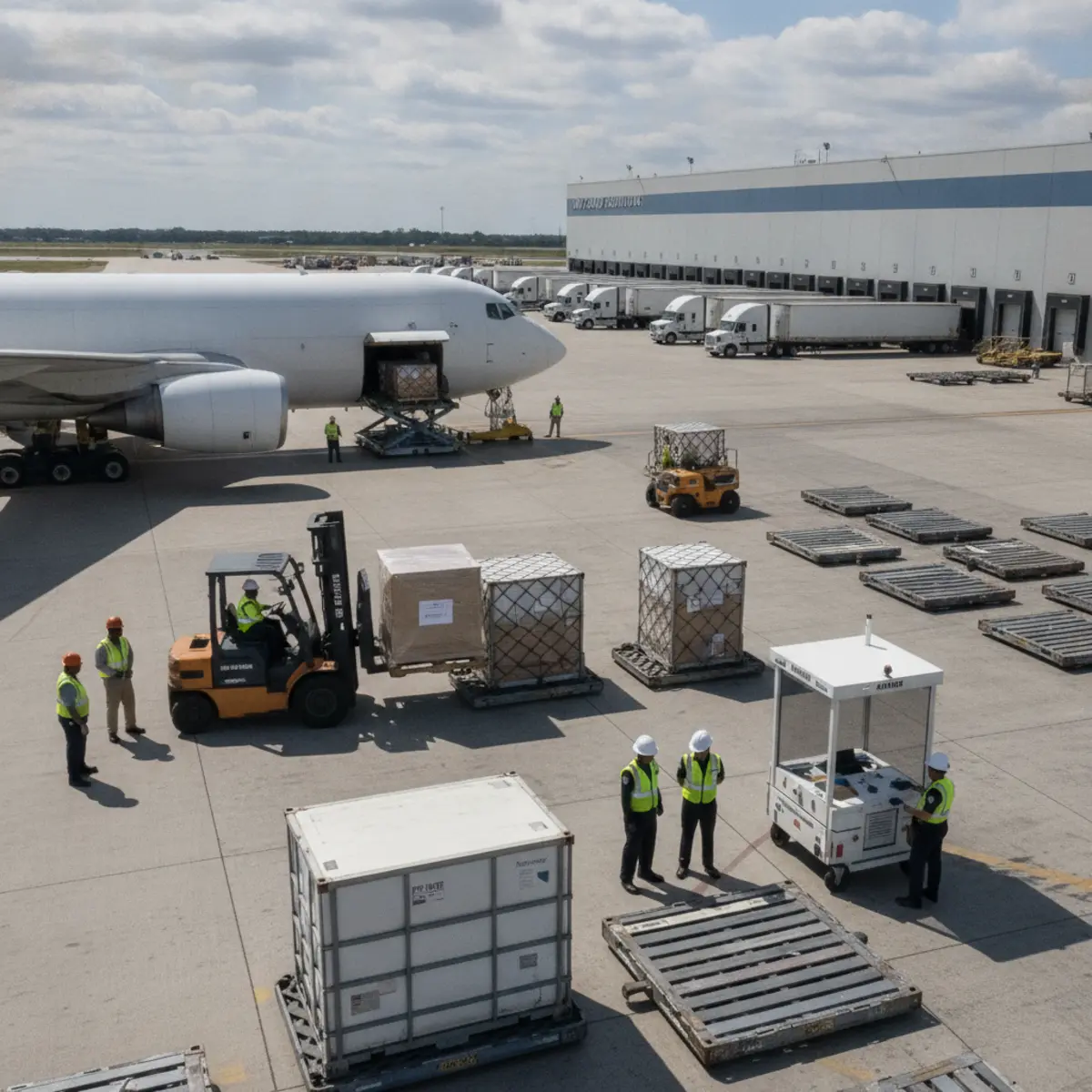
Air Cargo Week reported on 13 September 2026 that staff turnover is imposing a significant and under-recognised cost on the American airfreight sector. The publication noted that cargo operators can add aircraft, warehouses and ramp capacity relatively quickly, but recruiting and retaining trained ground staff takes far longer. Screening and security personnel require background checks, licences, badging and specialised training before they can work unsupervised. Air Cargo Week reported that high turnover is therefore particularly costly, driving overtime, staffing gaps and repeated training cycles, and that airport ground wages have historically lagged other sectors.
Why Ground Handling Capacity Is the Real Constraint
For UK exporters shipping into the United States, the practical effect sits at the destination terminal rather than in the air. A booking confirmed on a scheduled service can still sit uncollected at a cargo facility if the handler lacks screened staff to break down the unit load device and process the consignment. That gap typically shows as an extra 24 to 48 hours between flight arrival and goods being available for collection, which matters most for time-critical shipments and for anyone quoting door-to-door transit on the basis of flight times alone. Anyone booking air cargo services into US gateways should ask about terminal recovery times, not just flight schedules.
The wider context is that labour, not metal, has been the binding constraint across airfreight handling since the post-pandemic volume recovery. Aircraft can be leased, belly capacity returns with passenger schedules, and warehouse space can be taken on short leases. None of that helps if the people who can lawfully screen and handle cargo are not on shift. Air Cargo Week’s point about wages lagging other sectors matters here, because warehousing and last-mile delivery compete for the same local labour pool and can often hire without the background check and badging delay that regulated cargo roles carry.
UK shippers should watch for the practical markers rather than the headlines. Handler-imposed cut-off times moving earlier, reduced weekend acceptance windows, and longer queues for collection appointments are all signs that a terminal is short-staffed. Building 1 extra working day into US inbound planning during peak weeks is a reasonable hedge. Where a shipment is genuinely time-critical, booking a service into a secondary gateway with a less congested cargo terminal can recover more time than paying for a faster flight into a busy hub.
Key Takeaway for UK Shippers
Flight time is no longer the variable that decides your US air freight transit. Terminal handling capacity is, and that capacity depends on trained, licensed people who take months rather than days to replace. Plan US inbound and outbound air movements around handler capacity, and confirm collection windows before you promise a delivery date.
Market Impact
Expect handling charges at US gateways to stay firm even in periods of soft demand. When a handler is paying overtime to cover screening shifts and repeating training for new starters, that cost does not disappear because volumes dip. UK forwarders and importers should read terminal handling charges as a semi-fixed cost line rather than one that flexes with the rate cycle, and should ask for handling to be quoted separately from the air rate so the two can be compared properly across gateways.
The competitive effect over the next few quarters is likely to favour handlers who have invested in retention. Consistency of service, not headline price, becomes the differentiator when the same screening rules apply to everyone. For UK businesses moving goods to the United States, that argues for choosing routings on the basis of a handler’s demonstrated recovery performance, and for keeping a sea freight option costed in parallel for any stock that is not genuinely urgent.
Reported by the Plexus Freight team, from Air Cargo Week.
Source: https://aircargoweek.com/what-turnover-costs-american-airfreight/