




What Happened
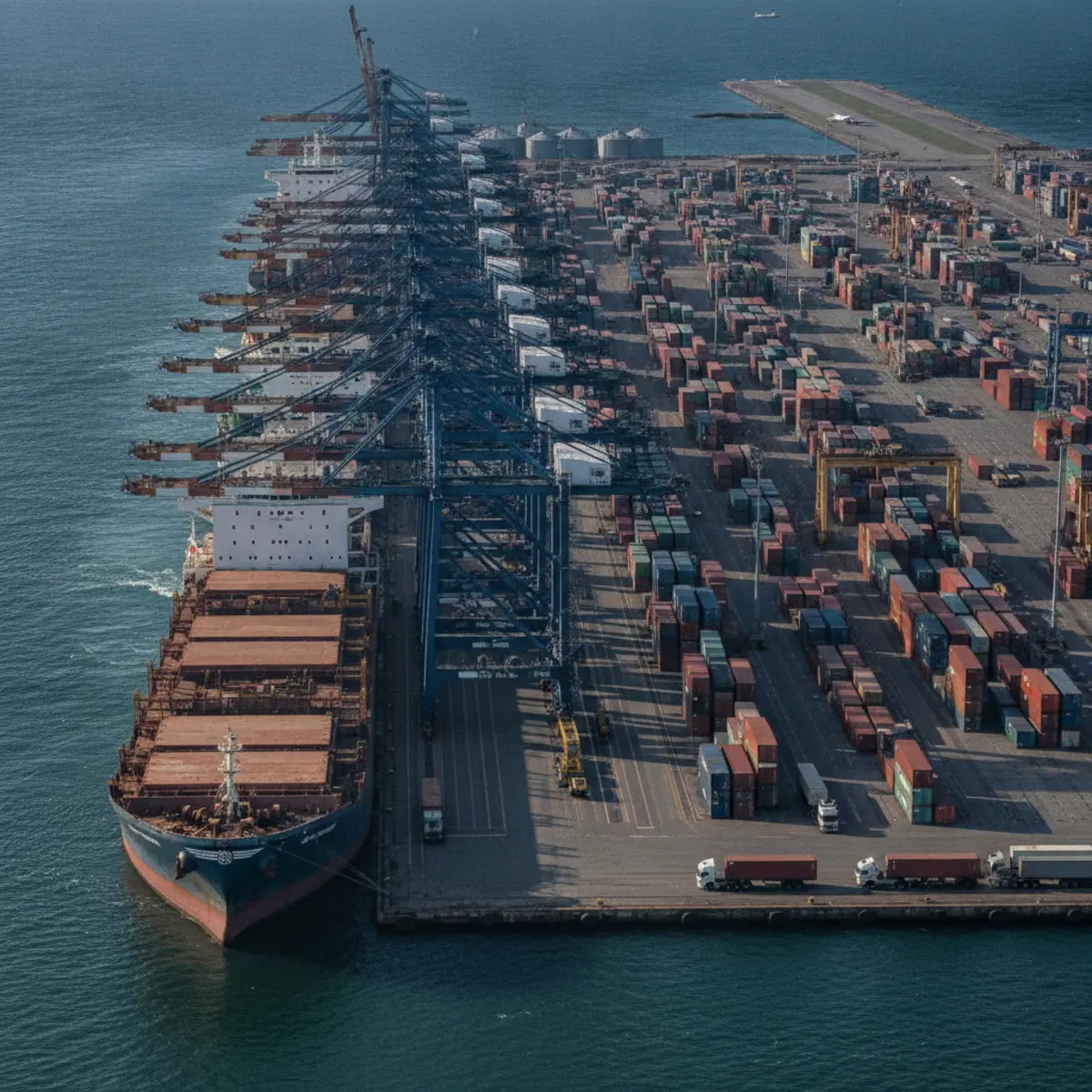
The Baltic Exchange’s dry bulk sea freight index rose 2.1% to 3,107 on Thursday, its sixth consecutive session of gains and its highest level since June 3, according to Hellenic Shipping News. The index tracks rates across capesize, panamax and supramax vessels, the three main dry bulk sizes. The capesize index, which covers ships typically carrying 150,000-ton cargoes including iron ore and coal, also increased. Hellenic Shipping News published the report on 27 August 2026.
Published: Thu, 27 Aug 2026 21:00:55 +0000 Source: Hellenic Shipping News
What Rising Dry Bulk Rates Mean for UK Importers
Dry bulk rates and container rates move on different cycles, and this rise sits firmly on the bulk side. The UK importers most exposed are those moving iron ore, coal, grain, fertiliser, aggregates and steel in shipload quantities through ports such as Avonmouth, Immingham and Teesport. When the index climbs over six sessions, spot charter quotes tend to firm first and contract renewals follow later. Buyers on CFR or CIF terms will see the change arrive inside the seller’s invoice rather than as a separate freight line.
The Baltic Exchange index measures spot rates for capesize, panamax and supramax tonnage, so it reads as a demand signal for raw materials rather than for finished goods. Hellenic Shipping News reported the index at its strongest since June 3, which places the current level above the summer trough rather than at a fresh record. The capesize segment, quoted for cargoes of about 150,000 tons, carries the heaviest iron ore and coal parcels and tends to move in the widest range. Panamax and supramax rates matter more to grain, sugar and project cargo shippers.
Anyone with a charter or contract renewal in the next 90 days should check how long a quoted rate is held before it is re-priced, because a run of gains usually shortens validity periods. For smaller parcels the read-across is indirect, since dry bulk strength does not set container rates, and anyone comparing options across ocean freight services should price bulk and containerised routes separately. The factors that usually decide whether a six-session run continues are bunker costs, port congestion and Chinese iron ore demand, none of which the index itself forecasts.
Key Takeaway for Bulk Buyers
The move is a spot market signal, not a rate rise that will appear on a container bill of lading. If you buy raw materials on CFR or CIF terms, ask your supplier when the freight was fixed, because a rate agreed before this run began will hold up better than one quoted this week.
Market Impact for UK Trade
A firmer Baltic Dry Index raises the cost of the first leg for UK manufacturers buying commodity inputs abroad. Steel, cement, animal feed and fertiliser all arrive as bulk cargo, and the freight element in a landed cost is material when the goods are low value per ton. Customs valuation follows the same logic. Where freight to the UK border forms part of the customs value on CIF terms, a higher charter rate lifts the duty and import VAT base declared on CDS.
Inland, the effect is second order and slower. Bulk discharge at Avonmouth or Immingham feeds road and rail movements priced on distance and vehicle time, not on ship charter rates. The direct exposure is berth availability and discharge windows, because owners push for faster turnarounds when the market tightens, and laytime and demurrage terms then decide whether a voyage costs what was budgeted. Importers should confirm who carries demurrage risk under their Incoterms 2020 term before fixing.
Source: https://www.hellenicshippingnews.com/baltic-dry-index-hits-near-3-month-peak/